461 Trusted Reviews

461 Trusted Reviews
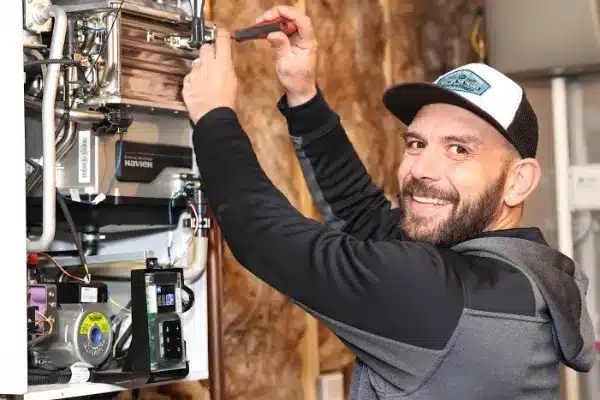
When plumbing issues arise, rely on the expertise of Platinum Plumbing, your trusted local service provider in Bloomington Normal, Illinois. Our team of technicians is equipped with the expertise, experience, and state-of-the-art tools necessary to promptly address a wide range of plumbing concerns. Whether it’s dealing with burst pipes, repairing water heaters, addressing sewer line issues, fixing fixtures, or resolving common bathroom and kitchen plumbing problems, we’ve got you covered.
The water main line into your Platinum Plumbing home is perhaps the most vital component of your home’s plumbing system. It provides clean, fresh water for all of your home’s functions. Due to its importance, replacing or installing a water line can be expensive. What the cost will ultimately be is determined by a number of factors:
If you are having your water line replaced, the accessibility of the line you need replaced is a serious cost factor. Accessibility can become a relevant cost factor if you have to excavate an extensive area, divert traffic, or use an expensive piece of equipment.
How complex a project is will also be a consideration to take into account when determining the cost of a project. How accessible a line is, the material used, and the size of the project all matter in terms of the complexity of a project and how many labor hours will have to be dedicated to it for Platinum Plumbing to do the job right.
Whether you are installing a new water main line or replacing an old one, the length of the water line is perhaps the preeminent cost factor for any project. The longer the water line that is being installed, the more costly it will be.
The most common materials used to install a water main line are copper and PVC. Copper is frequently used in cooler climates, but is the more expensive option.

Regardless of the problem at hand or the season, Platinum Plumbing water line repair and installation plumbers know best how to diagnose your problem and share with you what your water line repair needs are before any work is done. That way, you can make an informed decision about what is best for your Bloomington, IL home’s water mainline.
Platinum Plumbing offers a full line of installation, maintenance, and repair that your home’s water line may require, no matter the problem or time of year. You can count on our trusted professionals for their exceptional service and quality craftsmanship. Platinum Plumbing is proudly and professionally serving the greater Bloomington, IL area.


461 Trusted Reviews
Powered by

Platinum Plumbing is the trusted source of water line installation throughout the Bloomington, IL area. Our trusted technicians are professionally licensed to install a water supply line to your home.
How deep a trench should be for a water supply line is largely dependent on the environment it is being installed in, but generally you would like it to be a few feet deep. A Platinum Plumbing expert technician will be able to make a recommendation best for your home.
The cost to install a new water line can vary dramatically depending on many factors. Those factors include the length of the line needed to be installed and the complexity of the project. Platinum Plumbing promises to give you a competitive quote before any work is done.
The most common type of pipe used for water line installation is polyethylene, or PE. Other options include copper, PVC, and PEX. The choice of material depends on the size and location of the pipe as well as any specific requirements from local building codes.
In most cases, a permit is required before you can begin work on a water line installation. Check with your local government or utility company to find out the specific requirements in your area.
When installing a water line, it is important to take the necessary safety precautions. Make sure to shut off all power sources before beginning work and wear protective eye gear and gloves. Additionally, be aware of any hazards such as gas lines or underground electrical cables. If you are unsure about anything, contact a professional plumber for assistance.

© 2024 All rights reserved. Platinum Plumbing | Privacy Policy | Powered by CAMP Digital